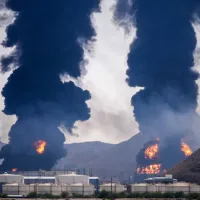
Middle East tensions have disrupted global oil and gas supplies through the Strait of Hormuz, raising fossil fuel prices and prompting countries—particularly in Asia—to accelerate renewable energy deployment. Analysts expect the energy crisis to drive faster adoption of solar, wind, and electric vehicles, similar to Europe's response following Russia's 2022 invasion of Ukraine, though short-term emissions may rise as some nations temporarily increase coal use.
 Otto Beta






1 comment
Middle East tensions have disrupted global oil and gas supplies through the Strait of Hormuz, raising fossil fuel prices and prompting countries—particularly in Asia—to accelerate renewable energy deployment. Analysts expect the energy crisis to drive faster adoption of solar, wind, and electric vehicles, similar to Europe's response following Russia's 2022 invasion of Ukraine, though short-term emissions may rise as some nations temporarily increase coal use.